Forex trading is often promoted as an exciting and profitable opportunity. Many websites highlight its size, liquidity, 24-hour access, and low costs as major advantages. While some of these points are true, others are often misunderstood or oversimplified. To trade Forex successfully, it is important to understand both the benefits and the realities behind the market.
The Appeal of Forex Trading
One reason Forex attracts traders is its global nature. It is the largest financial market in the world, with trillions of dollars traded daily. High liquidity means orders are usually filled quickly, with relatively tight spreads during active market hours.
Another attraction is continuous trading. Unlike stock markets that close overnight, Forex operates nearly 24 hours a day from Monday to Friday, following the global time zones from Asia to Europe to North America.
Opening a Forex account is also simple and inexpensive. Many brokers allow traders to start with small deposits and offer user-friendly platforms with built-in charts and tools.
Additionally, most retail Forex trading is commission-free. Instead of paying a direct fee, traders pay the spread—the difference between the buying and selling price.
The Reality Behind These Advantages
Although Forex is liquid overall, liquidity varies by currency pair and time of day. During quieter sessions, price movement can be slow and unpredictable, often leading to sideways markets rather than strong trends.
The 24-hour market is not automatically an advantage. Just because the market is open does not mean good trading opportunities exist at all times. Many periods offer limited volatility and few high-quality setups.
Easy account access benefits brokers more than traders. Losses are common for beginners, and many brokers profit when traders overtrade or add more funds after losses.
Spreads may seem small, but they accumulate quickly. A trader must overcome the spread on every trade before making a profit. Over time, this cost can significantly reduce returns, especially for day traders who trade frequently.
Understanding Leverage: The Real Attraction
The main reason many people are drawn to Forex is leverage. Leverage allows traders to control large positions with a small amount of capital. While this can amplify profits, it also magnifies losses just as quickly.
For example, a small price movement against your position can wipe out a large portion of your account. Many traders lose not because their ideas are wrong, but because leverage makes small mistakes extremely costly.
Leverage is both a powerful tool and a major risk. Used responsibly, it can help experienced traders manage capital efficiently. Used carelessly, it is one of the fastest ways to lose money.
The Broker’s Business Model
Even when no commission is charged, brokers still profit from spreads and trading volume. The more frequently traders enter and exit positions, the more the broker earns.
Some poorly regulated brokers may engage in unfair practices such as price manipulation or stop hunting. This is why choosing a well-regulated broker is essential for long-term success.
Can Forex Be Profitable?
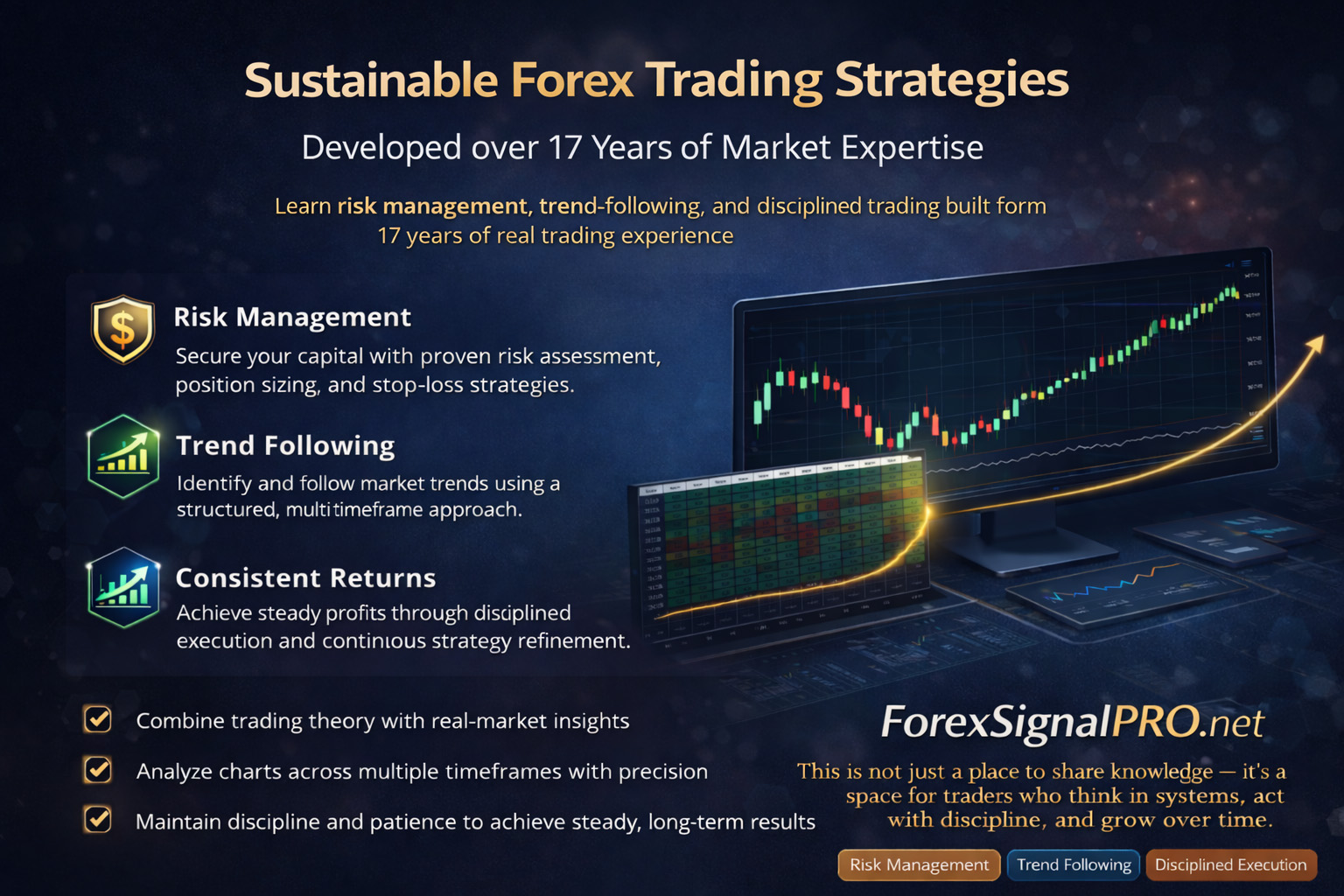
Yes — but only with discipline, risk management, and realistic expectations.
Successful traders:
- Focus on quality trades, not constant trading
- Manage risk carefully on every position
- Understand market structure and volatility
- Use leverage conservatively
Forex is not a shortcut to wealth. It is a professional market that rewards patience, education, and consistency.
Final Thoughts
Forex trading offers unique opportunities, but it also carries significant risks. High liquidity, leverage, and accessibility make it attractive, but they also create conditions where many traders lose money quickly.
Those who approach Forex as a serious skill — rather than a fast-profit game — stand the best chance of long-term success.